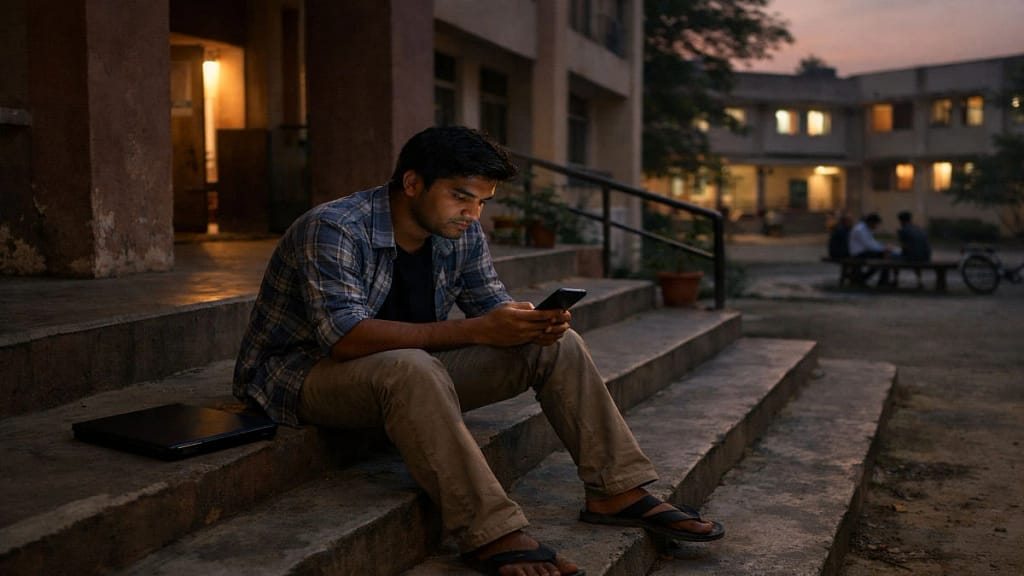
The first time I seriously thought about placements wasn’t in third year.
It was in second year, late at night, scrolling our college WhatsApp group.
Someone had typed, “Only 3 companies are expected this semester.”
No explanation.
No context.
Just silence after that.
That’s when it hit me—what if campus placements don’t work out?
And if they don’t, do we really know what to do next?
By 2026, this isn’t a random fear.
It’s something most Indian students quietly think about.
How Placements Used to Feel
Seniors used to say things like
“Just maintain your CGPA.”
“Sit for all companies.”
“Something will work out.”
For a long time, that advice made sense.
But now?
Fewer companies visit campuses
Hiring freezes come suddenly
Offer letters get delayed
Roles change after selection
Placements don’t feel guaranteed anymore.
They feel uncertain.
Let’s Talk Honestly About On-Campus Placements
Despite everything, on-campus placements still matter.
They haven’t disappeared.
They just don’t work the same way for everyone.
Where On-Campus Still Helps
1. It gives structure
You know the dates.
You know the process.
You know what to prepare.
For many students, that structure reduces anxiety.
2. You don’t feel alone
Everyone is preparing together.
Aptitude tests.
Mock interviews.
Group discussions.
Even if you fail, you fail with people. That matters more than we admit.
3. It’s beginner-friendly
Campus companies usually don’t expect you to be “industry-ready.”
They expect:
Basics
Willingness to learn
Decent communication
For students starting out, that’s reassuring.
The Part That Feels Uncomfortable (But Is Real)
On-campus placements don’t treat all students equally.
Some realities students face:
Same mass recruiters every year
Shortlists based heavily on CGPA
Limited options for non-CS branches
Very few product roles
You can do everything “right” and still not get selected.
That hurts—especially when you worked hard.
Off-Campus Placements: The Option Nobody Explains Properly
Off-campus sounds simple online.
“Apply on LinkedIn.”
“Build skills.”
“Network.”
But when you actually try it, it feels confusing.
What Off-Campus Really Looks Like

It’s not one straight road.
It includes:
Career pages you check every week
Internships that might convert
Referrals from seniors or friends
Startups hiring quietly
Freelance work turning into full-time roles
There’s no fixed timeline.
No placement cell reminders.
Just you—figuring things out.
Why More Students Are Looking Off-Campus in 2026
1. Skills are visible now
Your projects, writing, code, designs—everything lives online.
Companies don’t need campus visits to find talent anymore.
2. Many roles are remote or hybrid
Location matters less.
Your college name matters less than your work.
3. Startups hire differently
They don’t wait for placement season.
If they like your work, they talk to you—simple as that.
But Off-Campus Is Not Easy (And Not Glorious)
This part rarely shows up in success posts.
Applications with no reply
Interviews that go well, then silence
Confusing job descriptions
Fake hiring posts
Burnout from checking portals daily
Off-campus tests patience more than skill.
Some days, you wonder if you’re wasting time.
So Which One Actually Works in 2026?
Here’s the honest answer students discover late:
Depending only on one is risky.
Campus placements can fail.
Off-campus can take time.
Students who do better usually don’t choose sides.
They prepare for both—quietly.
What a Smarter Approach Looks Like Now
Use On-Campus as Backup, Not Identity
Sit for placements.
Even if:
The role isn’t perfect
The package feels average
An offer gives relief.
It reduces pressure.
It gives confidence.
It buys time.
Many students upgrade later.
Build Off-Campus Readiness Without Announcing It
You don’t need to tell everyone.
Just:
Pick one skill
Build a few real projects
Learn how to apply properly
Stay consistent on one platform
That way:
If campus works—good.
If it doesn’t—you’re not lost
Which Path Suits Which Kind of Student?
On-Campus Fits You If:
You prefer clear guidance
You get overwhelmed easily
You want a structured start
You value stability early
Off-Campus Fits You If:
You enjoy learning on your own
You can handle rejection
You like experimenting
Do you want faster growth or flexibility
Neither is better.
They’re just different.
Something Seniors Admit Only Later
Many students who cracked off-campus jobs didn’t plan it that way.
Campus placements didn’t work.
So they adapted.
That doesn’t mean they failed.
It means they adjusted.
Placements are not a verdict on your ability.
They’re just one entry point.
What Companies Actually Look For Now (Not Placement Mode)
In 2026, companies care less about how you applied.
They care more about:
Can you communicate clearly?
Can you learn without spoon-feeding?
Have you built or tried something real?
Do you show consistency?
These signals matter everywhere—campus or not.
The Emotional Side No One Prepares You For
Watching friends get placed earlier hurts.
Seeing offer letters on Instagram hurts.
Questioning your own progress hurts.
But placement timelines are not life timelines.
Some people start early.
Some start slow.
Both can end up in good places.
What I Wish Someone Had Told Me Earlier

Don’t wait for third year to think seriously
Don’t depend fully on the placement cell
Don’t reject campus placements out of pride
Don’t panic if things move slowly
Don’t compare your start with someone else’s middle
Careers don’t follow college calendars.
Final Thoughts: What Actually Works in 2026
On-campus placements still help.
Off-campus opportunities still exist.
But the real advantage comes from not locking yourself into one path.
Students who stay flexible—emotionally and practically—cope better.
Not because they’re smarter.
But because they’re prepared for uncertainty.
And in 2026, that matters more than choosing sides.
Note:-Written by an Indian engineering student going through placements and early career decisions.
Read More Posts:
Why freshers fail tech interview
Discover more from GroWithMoney
Subscribe to get the latest posts sent to your email.